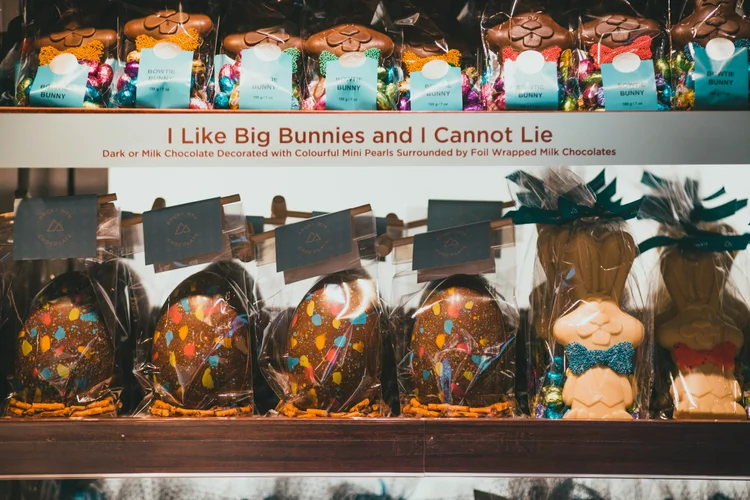
And I can’t quite look at an Easter egg the same way again. ͏ ͏ ͏ ͏ ͏ ͏ ͏ ͏ ͏ ͏ ͏ ͏ ͏ ͏ ͏ ͏ ͏ ͏ ͏ ͏ ͏ ͏ ͏ ͏ ͏ ͏ ͏ ͏ ͏ ͏ ͏ ͏ ͏ ͏ ͏ ͏ ͏ ͏ ͏ ͏ ͏ ͏ ͏ ͏ ͏ ͏ ͏ ͏ ͏ ͏ ͏ ͏ ͏ ͏ ͏ ͏ ͏ ͏ ͏ ͏ ͏ ͏ ͏ ͏ ͏ ͏ ͏ ͏ ͏ ͏ ͏ ͏ ͏ ͏ ͏ ͏ ͏ ͏ ͏ ͏ ͏ ͏ ͏ ͏ ͏ ͏ ͏ ͏ ͏ ͏ ͏ ͏ ͏ ͏ ͏ ͏ ͏ ͏ ͏ ͏ ͏ ͏ ͏ ͏ ͏ ͏ ͏ ͏ ͏ ͏ ͏ ͏ ͏ ͏ ͏ ͏ ͏ ͏ ͏ ͏ ͏ ͏ ͏ ͏ ͏ ͏ ͏ ͏ ͏ ͏ ͏ ͏ ͏ ͏ ͏ ͏ ͏ ͏ ͏ ͏ ͏ ͏ ͏ ͏ ͏ ͏ ͏ ͏ ͏ ͏ ͏ ͏ ͏ ͏ ͏ ͏ ͏ ͏ ͏ ͏ ͏ ͏ ͏ ͏ ͏ ͏ ͏ ͏ ͏ ͏ ͏ ͏ ͏ ͏ ͏ ͏ ͏ ͏ ͏ ͏ ͏ ͏ ͏ ͏ ͏ ͏ ͏ ͏ ͏ ͏ ͏ ͏ ͏ ͏ ͏ ͏ ͏ ͏ ͏ ͏ ͏ ͏ ͏ ͏ ͏ ͏ ͏ ͏ ͏ ͏ ͏ ͏ ͏ ͏ ͏ ͏ ͏ ͏ ͏ ͏ ͏ ͏ ͏ ͏ ͏ ͏ ͏ ͏ ͏ ͏ ͏ ͏ ͏ ͏ ͏ ͏ ͏ ͏ ͏ ͏ ͏ ͏ ͏ ͏ ͏ ͏ ͏ ͏ ͏ ͏ ͏ ͏ ͏ ͏ ͏
Nutrition with Irene
 

Hello Lovely People,

I went down a bit of a chocolate rabbit hole this week…and I can’t quite look at an Easter egg the same way again. Somewhere between “food of the gods” and a foil-wrapped aisle in the supermarket…something got lost.

Or perhaps more accurately — something was replaced.

We’ve been taught to think of chocolate as a treat. A little indulgence. Something to have and almost feel a bit guilty about.

But that wasn’t always the story. There was a time when chocolate — real chocolate — was valued, traded, even revered.
Not eaten absentmindedly, but prepared, shared and experienced.

And here’s the part that stopped me in my tracks…The cacao bean, the origin of all chocolate, was once so valuable it was used as currency. You could buy a rabbit for ten beans… which really puts your €3 Easter egg into perspective.

So how did we get from there to here? To something that is mostly sugar, fake, engineered to be eaten quickly and sold to children by the truckload. Irish obesity expert, Professor Dónal O’Shea recently noted that the average child now receives five Easter eggs. Five. You can imagine, if they had a say in it - the Easter Bunny would be hopping mad too!

When you look at the labels and see what’s actually in most of them… it’s not hard to understand why this might be a problem. The thing is — chocolate itself isn’t the issue. In its true form, it’s rich in antioxidants, minerals, and compounds that support heart and brain health. It can improve blood flow, support focus, even lift mood.

It’s not the chocolate that’s changed. It’s what’s been done to it.

I wrote a piece this week exploring this properly — where chocolate came from, what it once was, and how to find your way back to something more real.

👉Read the full piece


And now for the real treat this week .…

Dark Chocolate with Olive Oil, Sea Salt & Berries

This is less a recipe and more a small ritual — a way of slowing things down enough to actually taste chocolate again. Because good chocolate doesn’t need much. In fact, it asks for very little — just a bit of attention.

Serves: 2 (or 1, no judgement here)

You’ll need:

  • 40–50g good quality dark chocolate (75–85%)

  • 1 teaspoon extra virgin olive oil

  • A small pinch of flaky sea salt

  • A handful of fresh or frozen berries (raspberries work beautifully)

  • Raw pistachio nuts, chopped (optional)

Method

Break the chocolate into a small bowl and melt it gently. As it softens, take a moment to notice the aroma — something warm and slightly earthy, far removed from the overly sweet scent we’ve come to expect.

While it’s still warm, stir in the olive oil. It loosens the texture slightly and brings a soft, rounded richness to the chocolate.

From here, you can choose how to enjoy it.

Pour the chocolate onto a small plate and scatter over the berries, finishing with a light pinch of sea salt and a sprinkling of chopped pistachio nuts, if you have them. Leave it to settle for a minute or two, then eat it slowly, noticing how the flavour unfolds as it melts in your mouth.

Or, for something a little more familiar, spread it onto a piece of parchment paper, add your berries, pistachios and salt, and place it in the fridge to set. Once firm, break into rough shards, share (or not) and enjoy. Either way, take your time.

Notice the slight bitterness at the edge, the depth that lingers, the way a small amount feels like enough. This is chocolate as it was always meant to be — not loud, vulgar or overly sweet, but something to be experienced.


Imagine if this is where we begin again. Not by giving up chocolate, but by remembering it — and respecting where it comes from.

Beyond our own choices, there is a quieter story unfolding too. Many cacao growers, the very people who sustain this food of the gods, are under increasing pressure from low prices, climate challenges and rising global demand. It is easy to forget that behind something so familiar lies a chain that stretches far beyond our kitchens.

Choosing better chocolate is not just about taste or health. It becomes something more considered — a small way of supporting a system that is fairer, more sustainable and more connected to its roots.

Perhaps a small shift, but a meaningful one.

A single square, properly chosen and properly tasted, might just do more for you than a basket full of the other stuff.

Le grá,

Irene 🐰


P.S. If you live in the Dingle area and interested in getting closer to where your food actually comes from, my friend Marike is hosting a beautiful hands-on workshop on Korean Natural Farming. It’s very much aligned with everything we’ve been talking about here — working with nature, not against it and experiencing the joy of it all.
👉
Take a look here for all the info and booking details.

 
Nutrition with Irene
instagram facebook

Irene Flannery
Dingle
County Kerry
Ireland

Unsubscribe