Shedding Light on Seasonal Shedding
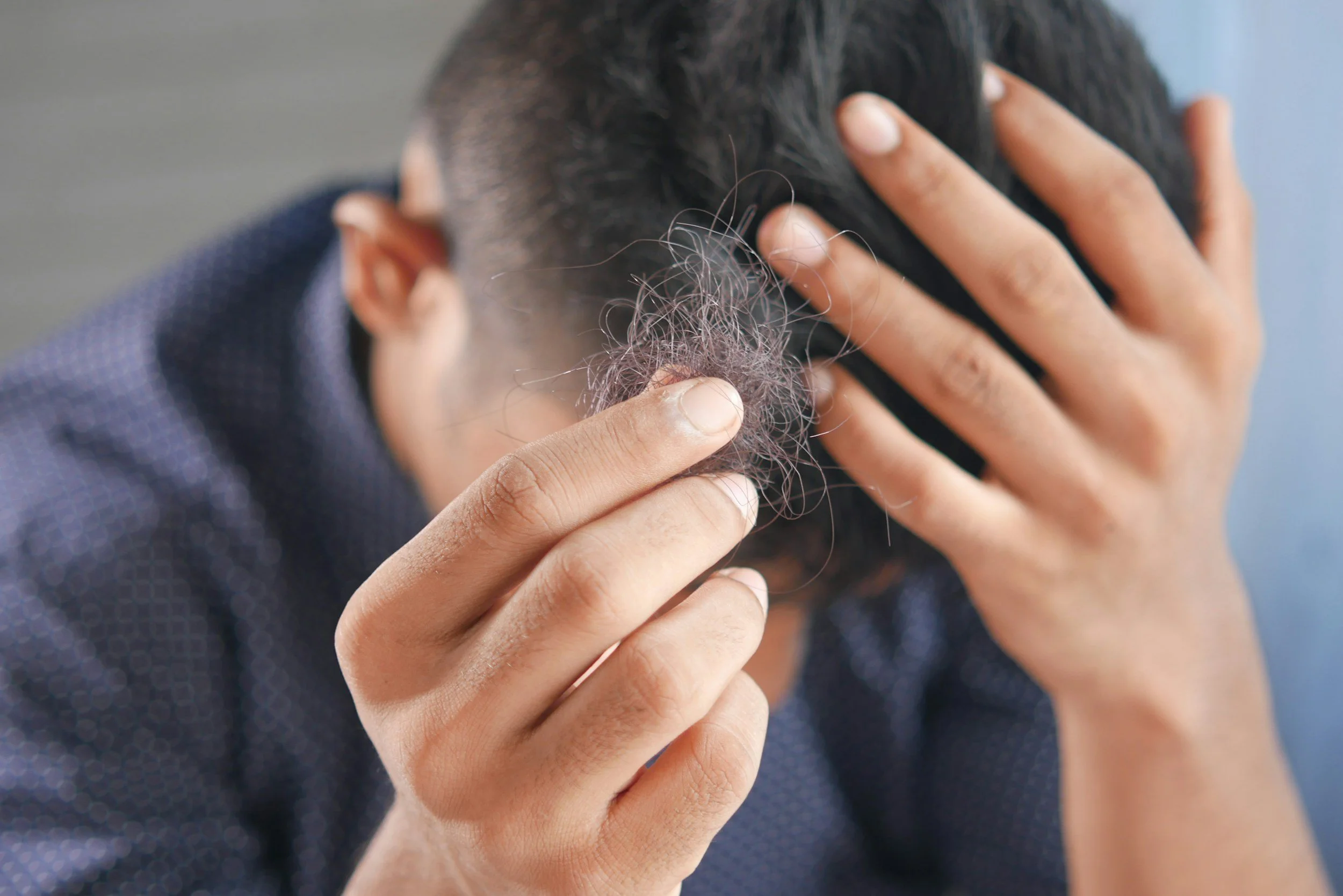
There is something about early spring that makes us look a little more closely at ourselves. The light shifts, the mirrors are less forgiving, and what winter concealed begins to show. Hair that seemed unremarkable in December can suddenly appear thinner under brighter skies. Hair does not respond to the calendar, but it does respond to the seasons. What many people interpret as sudden hair loss in spring is often the delayed echo of winter — of illness, stress, disrupted sleep or nutritional depletion. The body keeps records, even when we do not.
Of course, genes play their part. Ageing, hormonal shifts and inherited patterns influence hair thickness and growth cycles, and not every change is nutritional or stress-related. But even within our genetic blueprint, lifestyle and environment shape how those tendencies express themselves.
Hair as a Luxury Tissue
Hair, much like our skin and nails, is an outward sign of inner health. Unlike your heart, brain or liver, however, it is not considered essential for survival. From an evolutionary point of view, when we were half-naked and considerably hairier, body hair served a purpose — warmth, protection and camouflage. As we stood upright and knitted ourselves jumpers, head hair became more aesthetic than essential. Today, hair sits firmly in what can be called the “luxury tissues” category. When resources are tight — physically or emotionally — the body allocates nutrients to the organs that keep us alive first. Hair gets what is left over.
Winter is, metabolically speaking, a conserving season. With less light, more circulating viruses, comfort eating, disrupted sleep and the background hum of stress that many of us carry, the body can reach early spring somewhat depleted. By February and March, we may be running lower on key nutrients than we realise. Hair operates in cycles of growth, transition and rest. Under stress — whether from illness, emotional upheaval, low iron levels, restrictive dieting or even a prolonged cold — more hairs can be pushed prematurely into the resting phase. Approximately eight to twelve weeks later, they shed. This phenomenon, known as telogen effluvium, is surprisingly common and often temporary. The shedding we see in spring is frequently the echo of a winter strain.
We now understand far more about how the nervous system influences physiology. When the body perceives threat, whether physical or psychological, resources are diverted towards survival. Blood sugar regulation, immune defence and cortisol production take priority, while processes such as hair growth are quietly placed on hold. The body only invests in growth when it feels safe. Chronic stress, inadequate calorie intake, skipping protein, poor sleep or over-training can all signal to the body that this is not the moment to prioritise glossy locks. Hair loss in these circumstances is often feedback rather than failure.
Foundations before Supplements
Before reaching for a supplement, it is worth reflecting honestly on daily habits. Are you eating sufficient amounts of nourishing food? Is there adequate protein at most meals? Have you experienced illness or emotional stress in recent months? Is sleep consistent and restorative? These foundational questions matter more than any capsule. Hair is primarily composed of keratin, a structural protein. Without sufficient protein intake, hair struggles to grow robustly. Eggs, fish, lentils, beans, quality meat, seeds and nuts all provide the amino acids required for rebuilding. Interestingly, eggs feel symbolically appropriate at this time of year — small packages of concentrated nutrition, supporting renewal and growth.
Iron is one of the most common contributors to excess shedding. Low ferritin, which reflects iron stores, disrupts oxygen delivery to the hair follicle and can shorten the growth phase. Many women, in particular, have ferritin levels that may fall within laboratory range but may not be optimal for hair vitality. Testing rather than guessing is always the wiser route.
Vitamin C supports collagen formation around the follicle and enhances iron absorption. A generous intake of spring greens, parsley, watercress and citrus fruits can make a tangible difference. Zinc plays a role in tissue repair and scalp health, and is found in foods such as pumpkin seeds, oysters, eggs and red meat.
Omega-3 fats from oily fish, flaxseed and walnuts help maintain scalp hydration and temper inflammatory stress around follicles. Meanwhile, a diverse, fibre-rich diet that includes a wide variety of plant foods supports the microbiome. When digestion and absorption are robust, the body is better equipped to deliver nutrients where they are needed. It is difficult to grow strong hair from a depleted gut.
The thyroid gland governs metabolic pace, and even subtle dysfunction can present as hair thinning. When late winter fatigue, sensitivity to cold and increased shedding appear together, it may be appropriate to investigate thyroid function. As with iron, informed testing provides clarity and avoids unnecessary supplementation.
Supplements are not magic, but they can have a place once diet, sleep and stress have been addressed. Iron can be taken where deficiency is confirmed. Zinc may help when intake is low, while biotin tends to be useful mainly in true deficiency, which is uncommon but possible. Emerging research suggests marine collagen peptides may support hair thickness when overall protein intake is adequate. Omega-3 supplements containing EPA and DHA can benefit inflammatory scalp conditions, and small studies indicate that MSM, a sulphur compound, may improve hair quality. As always, targeted supplementation guided by testing and individual need is preferable to a scattergun approach.
A Season of Renewal
It is remarkable that as we have become less hairy through the ages, we have grown more anxious about the little bit that remains. We dye it, straighten it, bleach it and extend it, often overlooking the deeper signals it offers. A nourished head of hair is not vanity. It is a by-product of sufficient nourishment, mineral repletion, hormonal balance and nervous system safety.
Spring has a way of revealing what winter quietly used up. As the light strengthens and renewal is all around us, we notice the small signals — energy levels, skin tone and the state of our hair. Shedding now is often less a crisis and more a seasonal shift. With a little more nourishment, a little less depletion and some patience while the body rebuilds, things usually settle. Afterall, spring is the season of new growth — including the kind on your head.