Not All Hunger Looks the Same: What the Scairbhín Still Teaches Us
There’s an old Irish word, scairbhín (scaraveen) — often understood as the rough month of the cuckoo — used to describe this stretch of the year, somewhere between mid-April and mid-May, when the land begins to stir but the food hasn’t quite caught up yet.
Growing up, we didn’t need much explanation. We just knew that if anything went wrong around that time — a cold snap, a lashing of rain, a wind that blew in a way that felt personal — it would be blamed, without question, on the scairbhín.
A convenient culprit. Broad in its powers. Completely unaccountable.
But behind the humour sits something more serious. Because this was also the time of year when food stores ran low, and people felt it—not as famine or starvation, but as a quieter kind of hunger. The narrowing of what was available… and what the body could rely on.
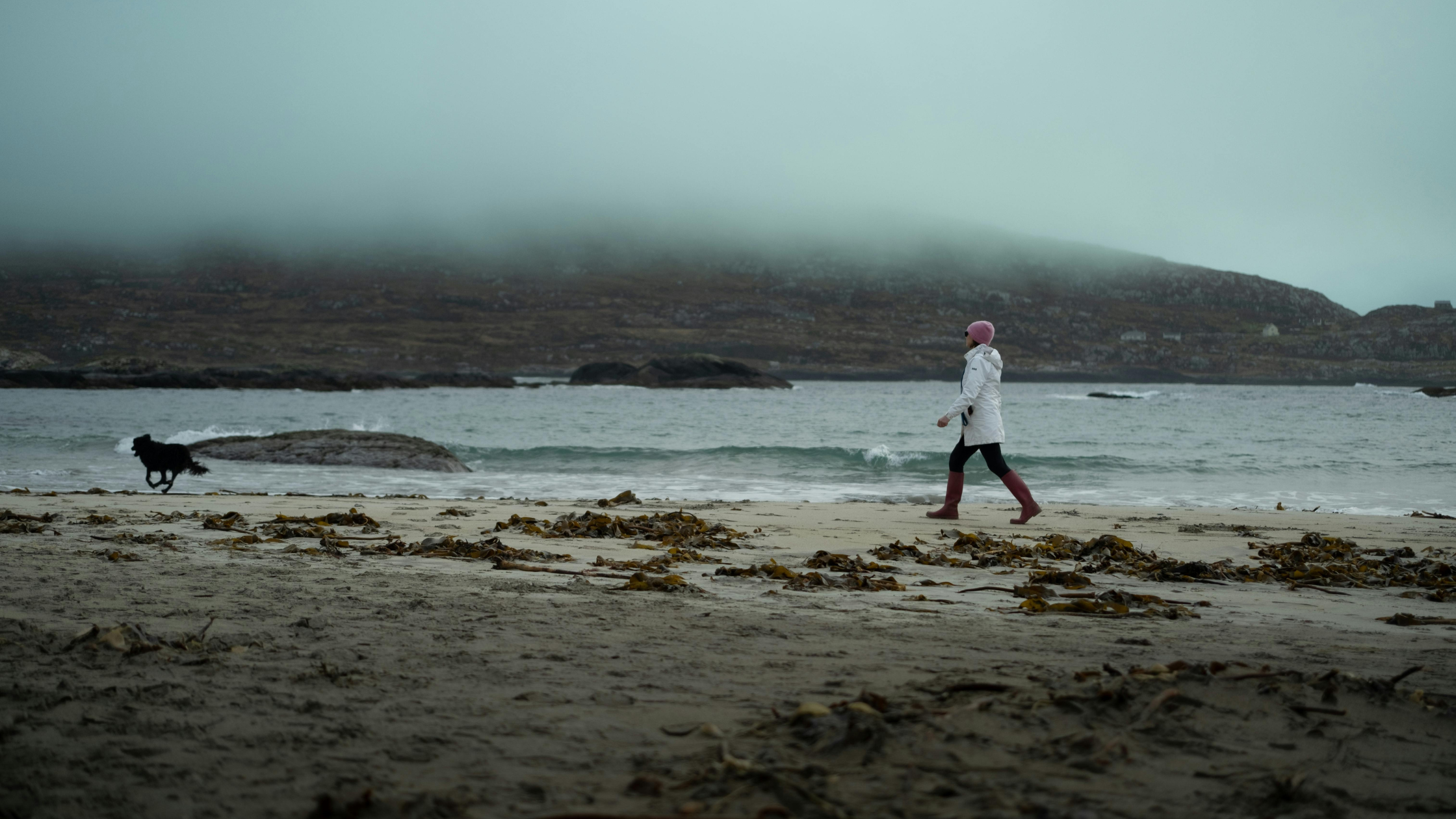
It’s a lovely word, but it holds a harder truth. Because this was also the time of year when the stores ran low, and people felt it. Not famine, not starvation, but a quieter kind of hunger — the narrowing of what was available, and what the body could rely on. By the time the scairbhín came around, the winter food was often nearly gone. Meals became simpler and more repetitive — potatoes if there were any left, a bit of milk, maybe oats, fish if you lived by the water — but fresh food, in general, was scarce. It was the kind of stretch where people felt it physically: more tired, slower to recover, with small ailments that lingered. There wasn’t much in reserve if you got run down.
At the same time, the land was beginning again. Seeds were going in, met with a few soft days and then the kind of cold that could catch them out, followed by wind and rain that seemed to test everything. The thinking was that it did no harm — that what made it through would be stronger for it. People, in their own way, were doing much the same.
The recent release of the 1926 Census of Ireland — a snapshot from a hundred years ago — offers a clearer picture of how people were living. Ireland was still largely a rural country, with many households dependent on small farms, local fisheries and what could be produced close to home. Food was simple and seasonal — potatoes, oats, milk, bread, with meat or fish when it was available — shaped more by necessity than by choice.
From scarcity to abundance—and something lost in between
It’s tempting to see something inherently healthier in that way of eating, particularly when set against today’s more processed diets. But the wider picture tells a more complicated story. Life expectancy was much lower, and infectious diseases were a common cause of death. Diets, while based on whole foods, were often limited in variety, especially at certain times of the year. Health wasn’t measured in steps or supplements, but in whether the body could keep going through the seasons. Living closer to the land didn’t automatically mean living better — only differently.
Even then, Ireland was producing food not just for itself, but for export. Livestock, butter and other agricultural products were regularly sent abroad, mostly to Britain — a system that carried on much as it always had. The routes were there, the buyers were there, and for many farmers, that’s where the cash was. That didn’t necessarily mean abundance at home. Production and access were not the same thing. What was grown or raised wasn’t always what ended up on the table, especially in smaller households with limited means.
That pattern hasn’t gone away. We’re still very good at producing food, and just as good at sending a lot of it elsewhere. The difference now is that we’ve filled the gap with imports. Today, food is available year-round, from all over the world and the idea of a hungry season sounds almost bonkers. Ireland exports somewhere in the region of €15-17 billion worth of food each year, while importing roughly €10-12 billion. On paper, we are producing more than enough. But the detail matters. What we export is largely dairy, meat and infant formula, while much of what fills our everyday plates — fruit, vegetables, grains and processed foods — is imported.
Recent disruptions, particularly around fuel and transport costs, offered a reminder of how dependent that system is on movement rather than place — on ships, lorries and supply chains that we rarely think about until something interrupts them. Diets can still become narrow, just in a different way — less about scarcity and more about reliance on convenience, repetition and highly processed foods. The cupboards are full, but that doesn’t always translate to the kind of food the body can actually run on — food that keeps energy steady, supports immunity, and holds you through the day.
And over time, that shows up. Not dramatically, but in the quiet, familiar ways: energy dips, poor sleep, cravings, a sense that something isn’t quite right.
The scairbhín hasn’t disappeared. It’s just harder to see. In 1926, people lived with that gap — they knew when food was running thin, and they knew what it meant for their health. There was a direct line between the land, the plate, and how you felt. Now, that line is less clear. We have more food than ever, but less connection to where it comes from and what it does once it’s in us. And the body, for all our progress, still responds in the same way. Rely too heavily on food that doesn’t nourish, and it shows — not all at once, but over time.
So where does that leave us now?
A hundred years on, perhaps the real lesson isn’t about how much food we have, but what we do with it. Not to replace one kind of hunger with another — the hunger of the past, shaped by scarcity, with the kind we see now, where food is abundant but can be deceptively lacking in the nourishment we need. In another hundred years, the weather itself may not have changed all that much. The scairbhín might still come and go, whether we call it that or not. But by then, we’ll have no excuse for not understanding the difference between food that simply fills us and food that truly sustains us — and no one else to blame if we fail to prioritize food systems that support our health, our land and the generations that come after us.