Feed Them Well and They’ll Look After You
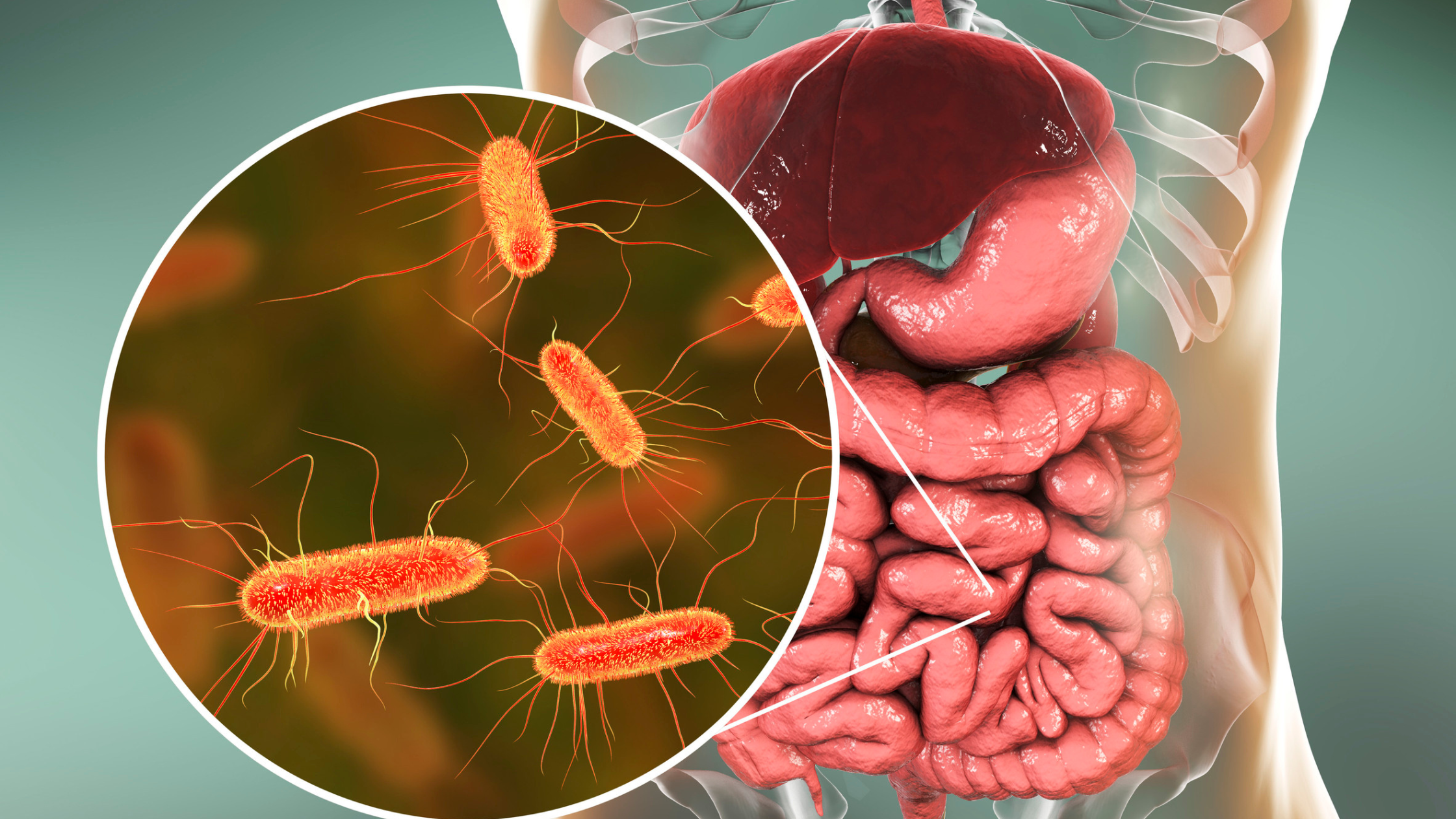
Microorganisms that inhabit the human body — on the skin, in the gut, in the mouth, behind the ears, up the bum, just about everywhere — outnumber all other human cells by about 10 to 1. Because of their tiny size they only amount to about 3 percent of our total body mass, roughly 2kg for the average adult. Despite being miniscule, they contribute to the health status of every part of the body, so much so that the collective microbiome is increasingly viewed by scientists as an organ in its own right.
Probiotics, Prebiotics and now…Postbiotics
According to research from the Human Microbiome Project (HMP) in 2014, a collaborative project involving more than 80 universities and scientific institutions around the globe, there are more than 10,000 different species living inside us. This was the first time researchers mapped the quantity and species of microorganisms inhabiting healthy humans. According to HMP Co-ordinator James M. Anderson, M.D., Ph.D, “We now have a very good idea of what is normal for a healthy Western population and are beginning to learn how changes in the microbiome correlate with physiology and disease.” The application of this research is far-reaching — as we understand what a normal microbiome looks like, we can begin to see how changes are associated with, or even cause, illness.
Probiotics is the collective term of beneficial bacteria and other microorganisms residing within the human microbiome. In the gut, they break down proteins, fats and carbohydrates into nutrients we can absorb. They also produce valuable substances such as vitamins and anti-inflammatories that our body cannot produce alone. They are as important to us as we are to them for survival, yet as their host, we have underestimated their significance and treated them badly. Most probiotics enter the body through food — from handling and eating fresh, raw vegetables, from yogurts, buttermilk, fermented foods and supplements. The modern diet and a hectic lifestyle challenge their survival, with disinfectants, antibiotics, preservatives, junk food and chronic stress all taking their toll. As they arrive, the welcome they receive in the gut determines whether they stay, multiply and have a meaningful impact on our health.
This is where prebiotics come in to play. Prebiotics are a type of fibre from carbohydrates that many species of the good guys rely on for nourishment and survival. It is impossible to have a healthy colony of probiotics in your gut if you do not nourish them. Prebiotics have become a bit of a buzz word — the new health supplement — but in reality, they are plant fibres we can eat but do not digest. These fibres end up in the colon as dinner for the trillions of probiotics, including the better known bifidobacteria and lactobacillus family. Growing an effective army of probiotics involves feeding them and encouraging them to stay. The greater the welcome, the greater the number and diversity of bacteria, which ultimately means greater health for you.
So what happens when we feed them well?
Until recently, most of the conversation stopped at probiotics and prebiotics — the bacteria and the fibre that feeds them. But there is a third piece to this story that is quietly gaining attention, and it may well be the most important of all. These bacteria don’t just sit there looking pretty (if bacteria can ever be accused of that). When they are well-fed, they get to work — fermenting fibres, breaking things down, and producing a whole range of compounds that directly influence our health. These compounds are now known as postbiotics.
Postbiotics are the end products of a well-nourished microbiome — substances like short-chain fatty acids, enzymes, vitamins and anti-inflammatory compounds. In other words, they are the real benefits we’ve been talking about all along. If probiotics are the workers, and prebiotics are the food that fuels them, then postbiotics are the results of their labour — supporting immunity, reducing inflammation, and helping regulate everything from digestion to mood.
Not all fibre is equal when it comes to prebiotics. Researchers have identified the ideal menu and it is random and, for many of us, not quite what we would choose these days. Inulin, fructo-oligosaccharides (FOS), betaglucans, resistant starch and pectin are just some of the fibres that send probiotics into seventh heaven. Jerusalem artichoke, chicory root and dandelion leaves are the richest sources of inulin, followed by garlic, onion and leeks. These are known to increase the number and variety of beneficial bacteria along the entire digestive tract. Oats, barley and mushrooms are particularly rich in a fibre called betaglucans, boosting numbers and variety of bacteria in the gut, but also along the respiratory tract. Betaglucans have also been shown to have an anti-viral effect in the upper respiratory tract and are often used as supplements for colds and flu. The synergy between betaglucan foods and the bacteria that respond to them provides a powerful double act against common respiratory viruses.
Probiotics use pectin, found in apples, to produce a short chain fatty acid called butyric acid — one of the key postbiotics produced in the gut — which improves the health of the intestinal lining in which they reside. These short chain fatty acids also help regulate electrolyte balance including sodium, magnesium, calcium and water levels. They are anti-inflammatory compounds and are involved in proper digestion and bowel movements. Our beneficial bacteria play multiple roles in protecting us from invaders while regulating body functions to keep us healthy.
Other prebiotic foods include beans and legumes, flaxseeds, burdock root, wheat bran and seaweeds. Sauerkraut (fermented cabbage) is a perfect example of the relationship between probiotics, prebiotics and postbiotics. The juice from shredded or bruised raw cabbage leaves provides the prebiotic fibre for Lactobacilli bacteria (found on raw cabbage leaves) to multiply and flourish. As they increase in number, they continue digesting the cabbage until it is fully fermented — producing beneficial postbiotic compounds along the way. At the end of the process, the volume of beneficial bacteria present is enough to preserve the sauerkraut and keep away harmful bacteria that would otherwise spoil it. This was one of the original methods of preserving food and provided humans with a great source of probiotics as an added bonus. Sauerkraut, kimchi and other fermented foods have become trendy once again, so there is no excuse not to add a spoonful or two to your diet every day.
It is an exciting time for this kind of research. Scientists are now exploring the gut-brain connection and the role of the microbiome in mood and cognition. The Human Microbiome Project continues to expand our understanding and may shape future approaches to many chronic diseases. In the meantime, increasing your intake of natural, whole plant-based foods is like rolling out the red carpet — not just for probiotics to arrive, but for them to thrive and produce the very compounds that keep us well. Because in the end, it’s not just about what we eat — but what our microbes are able to make from it.