Chocolate: From Food of the Gods to Something Else Entirely
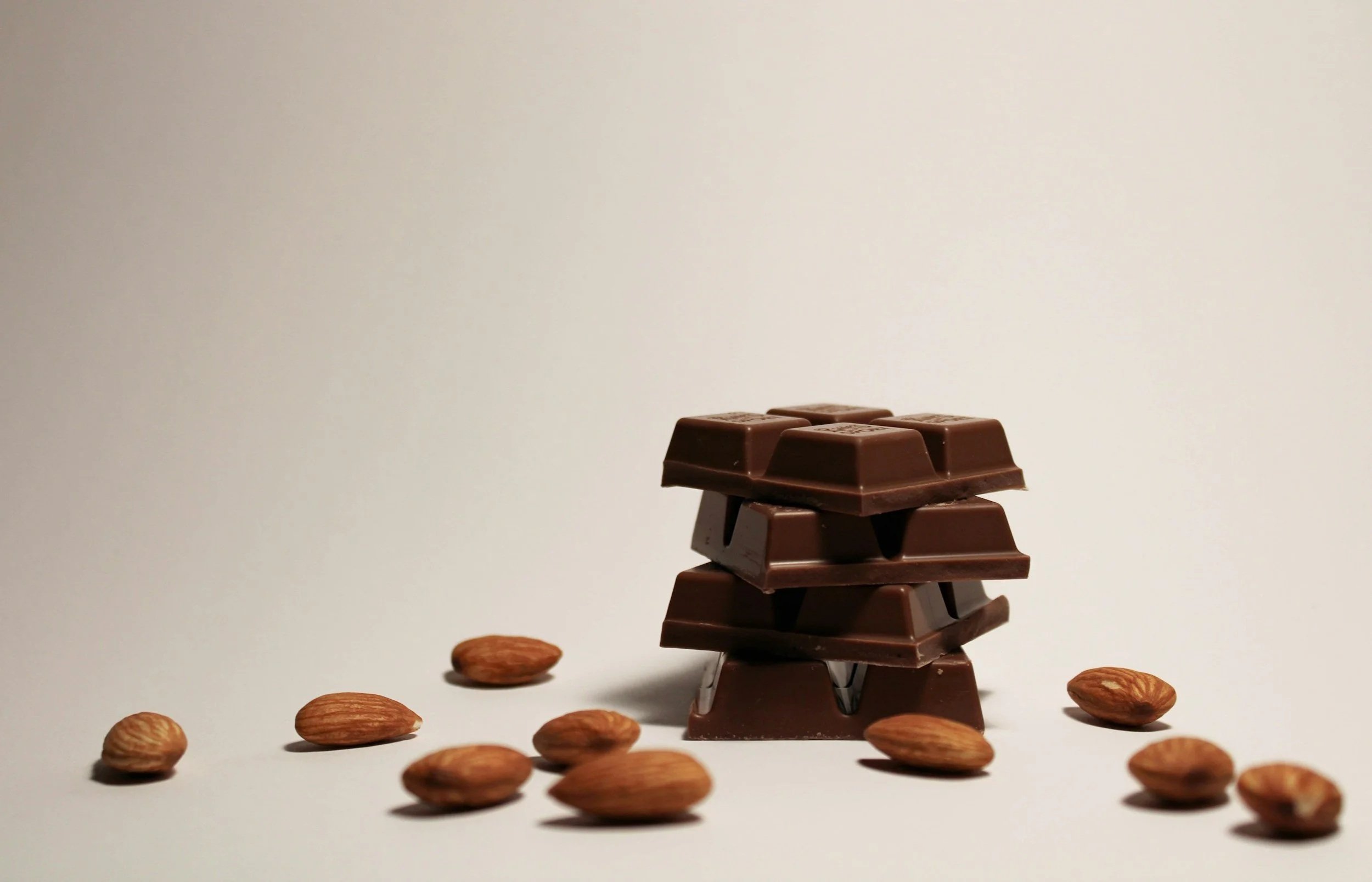
Professor Dónal O’Shea, Ireland’s leading voice on obesity and metabolic health, noted recently that the average child now receives five Easter eggs. It’s a striking figure, particularly when placed alongside the reality that almost a third of Irish children are already overweight or obese. But beyond the numbers, there is something else worth pausing over — not just how much chocolate is being consumed, but what we now mean when we call something “chocolate.” Because there was a time when chocolate meant something very different.
When Chocolate Meant Something
Real chocolate was once synonymous with celebration, nourishment, even reverence. It held a place not just in the diet, but in ceremony, in trade, and in the cultural fabric of the societies that first cultivated it. There is arguably no other food that has travelled so far — geographically and symbolically — only to arrive in such a diminished state.
A Bean of Great Value
The cacao tree, Theobroma cacao, native to the tropical rainforests of equatorial South America, translates quite beautifully as “food of the gods.” And this was no exaggeration. As far back as 1000BC, the Olmecs recognised its value, but it was the Mayans who truly elevated cacao, using it not only as a drink but as a form of currency. The beans themselves were so prized that they underpinned entire systems of trade. An avocado might cost three beans, a rabbit ten, and a day’s labour around one hundred. During the reign of Montezuma II, cacao beans were considered more valuable than gold. It is perhaps no surprise that counterfeit beans began to circulate — small clay imitations attempting to pass as the real thing. Even then, authenticity mattered, and it is thought that phrases like “not worth a bean” may well have their origins in these early attempts to pass off something inferior as the real thing.
The preparation of cacao was slow, deliberate, and deeply intentional. Beans were harvested, fermented, dried, roasted, and ground into a paste known as cacao liquor. This could be mixed with water and spices to create a rich, bitter drink, worlds apart from the sweet versions we are accustomed to today. It was consumed at weddings, offered in ritual, and associated with vitality and strength. Long before we had the language of antioxidants or cardiovascular health, cacao had already earned a reputation as something both sustaining and restorative.
Modern science, interestingly, has begun to catch up with this ancient knowing. In its purest form, cacao is one of the most antioxidant-rich foods available, abundant in compounds such as polyphenols and flavanols that support heart health, circulation, and even cognitive function. It contains magnesium, fibre, and naturally occurring stimulants like theobromine, which can sharpen focus and lift mood. What was once understood through experience is now being mapped through research.
And yet, somewhere along the way, something shifted.
Chocolate’s arrival in Europe in the 1600s marked the beginning of its transformation, but it was the Industrial Revolution that truly altered its course. Advances in machinery made production faster and more efficient, but also opened the door to substitution. Cacao butter, once a defining component, began to be replaced with cheaper vegetable fats. Sugar levels increased. Milk powders, emulsifiers, and flavourings followed. What had once been a complex, nutrient-dense food gradually became something engineered for convenience, shelf life, and mass appeal. The chocolate we are most familiar with today bears little resemblance to its origins.
This is perhaps most visible at this time of year, when millions of Easter eggs line the shelves. They are brightly packaged, heavily marketed, and designed to be eaten quickly and in quantity. But for all their appeal, they offer very little of what made chocolate valuable in the first place. What we are often left with is a product that stimulates the palate and the reward centres of the brain, but contributes little in terms of nourishment. Chocolate itself has not failed us. It has simply been changed.
A Return to Something Real
The good news is that we are not passive in this. We can choose differently. We can seek out chocolate that still carries something of its original integrity — darker, less sweet, made with fewer ingredients and a higher proportion of cocoa solids. The taste may be more complex, even slightly bitter at first, but it is also more satisfying, more complete. It asks something of us in return — attention, perhaps, or a willingness to slow down. Ironically, that may be part of what has been lost.
Chocolate was never meant to be rushed. It was something to be prepared, shared, savoured. Something that held meaning beyond the moment. Perhaps this is where we begin again. Not by giving it up, but by remembering what it is. By choosing quality over quantity. By allowing a single square of good chocolate to be enough.
Close your eyes. Take a breath. Let it melt slowly.
And remember — this was once food of the gods. Enjoy.