The Heart of Summer: A Seasonal Boost When We Need it Most
There is a particular ease that settles over summer just about now. The evenings stretch out, the back door stays open, someone suggests eating outside and everyone politely ignores the fact that half of the guests are still wearing a fleece. Food changes too, almost without us deciding. Meals become looser, greener, more colourful. There are tomatoes on the counter, herbs in jars of water, strawberries disappearing before they make it into anything, and the new spuds reminding us that the simplest food is often the food we remember most.
It is easy to think that summer is the season when we take a small break from our healthier habits. There are visitors, barbecues, picnics, salty bits and pieces, and the sneaky way a quiet drink can gather momentum once the evening is bright. Fortunately, summer seems to have anticipated much of our shenanigans and provides us with an abundance of foods that support vitality, circulation and the heart, as if nature had the shopping list written long before we did.
This is not a new idea. In Traditional Chinese Medicine, summer is associated with the heart and with Fire energy: warmth, joy, expansion, connection, laughter and movement. Even if that language is not your usual way of thinking, there is something in it that makes instinctive sense. Summer pulls us outwards. We walk more, garden more, swim if we are brave enough, meet people, stay out later and generally respond to the lengthening daylight with more activity and more appetite for life.
Wisdom and Science - a beautiful relationship
The old Celtic calendar carries a similar feeling around midsummer, that high bright point of the year when everything is reaching, flowering and spilling over. The hedges are full, the herbs are strong, the bees are drunk on the whole thing and the rest of us try to keep up. It is lovely energy, but it can also be a little much. Too much rushing, too many late nights, too many “ah go on so” moments, and the bright spark of summer can tip into feeling wired or overdone.
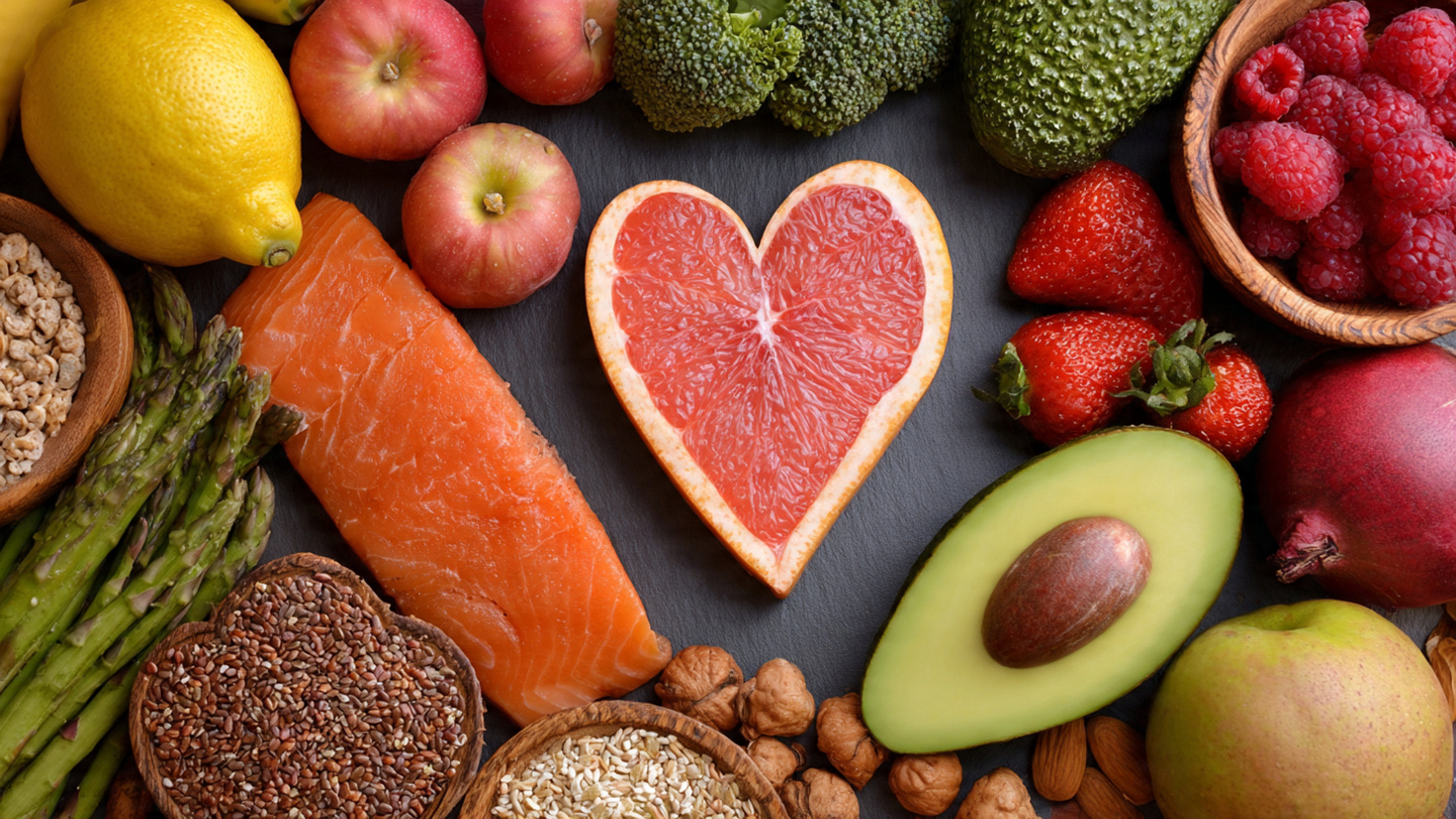
This is where the food of the season is so clever. It does not come in wagging its finger at us. Instead, it comes in juicy, colourful, mineral-rich and cooling: strawberries, raspberries, tomatoes, cucumbers, courgettes, leafy greens, herbs, new potatoes, oily fish, garlic and olive oil. None of them look like medicine, but they are the perfect remedy for these busy days.
The heart itself is often spoken about in emotional terms, and rightly so. We say heartfelt, heartbroken, big-hearted, half-hearted, take heart. The language has held on to something that modern life often separates out: the heart as both a physical organ and a centre of feeling. Nutritionally, though, the heart is part of a vast circulatory system, with arteries, veins and tiny capillaries carrying blood around the body. It is less a single heroic organ and more an entire network, quietly keeping life moving and emotions on an even keel.
Let it flow…with the help of your food
That network depends on flow. Blood vessels are not rigid pipes, though we sometimes imagine them that way. They are living tissue, responding to inflammation, stress, movement, hydration, fats, minerals and plant compounds in food. They can become stiff and irritated, or remain more flexible and responsive. This is where summer food has so much to offer, because so many of the foods arriving now seem almost designed to keep our blood vessels supple and blood flow moving.
The deep reds and purples of berries, blackcurrants, tomatoes and beetroot bring protective plant compounds that help protect blood vessels from oxidative stress. Oxidative stress can irritate the delicate lining of blood vessels, making them less supple, more inflamed and less able to relax easily. Our grandparents may not have used the word antioxidant, but they knew well enough that dark berries, garden fruit and seasonal vegetables were strengthening foods. Sometimes nutrition science is at its best when it catches up with what the kitchen already suspected.
The same is true of the greens, herbs and oily fish that turn up so easily in summer meals. Put them on one plate and it is very simple: grilled mackerel with new potatoes, plenty of leafy greens and herbs, a squeeze of lemon and a little olive oil. The mackerel brings omega-3 fats to help calm inflammation and support healthy cells, while the greens add magnesium and natural nitrates that help blood vessels relax. It is this fresh, familiar food that supports circulation and is genuinely good for the heart.
Garlic is another old ally of the heart and circulation. It has been used traditionally for generations, and modern research continues to explore its role in supporting healthy blood pressure and cholesterol balance. Garlic contains sulphur compounds, such as allicin, that support cholesterol balance by gently influencing how the liver handles fats, while also helping protect blood vessels from oxidative stress.
Finding balance in a season of abundance
Of course, summer has its dark side too. Extra salt can creep in through crisps, marinades, olives, cheese and sauces, while alcohol is often poured more freely when the evening is long. This is not a reason to turn summer into a lecture, but it is worth noticing. The body is not asking for perfection but is usually just asking not to be ignored completely.
A good way to think about it is balance over a few days rather than rules at every meal. If one evening is heavier, saltier or later, the next day can be greener, juicier and simpler: new potatoes with their skins, tomatoes, cucumber, herbs, berries, water, a walk, maybe fish for dinner. Not punishment or regret, just a return. The summer season makes that return easier because the food is already there, waiting.
Heart-supportive summer food is generous food. It belongs in bowls and platters, passed around the table, eaten outside when possible and inside when the weather remembers where we live. Yes, the heart is nourished by nutrients, but it is also supported by rhythm, pleasure, movement, connection and joy.
Modern nutrition can talk about antioxidants, omega-3 fats, nitric oxide, magnesium, potassium and vascular health, and all of that matters. But it makes most sense when it finds its way back to the kitchen. In the end, summer heart health may look less like a deliberate plan and more like dinner: a plate of colourful food, eaten with people you like, while the evening does its best to stay bright. Enjoy.