Worth Its Salt: Do We Really Need More Electrolytes?
Electrolytes seem to be everywhere this summer, with social media offering plenty of quick fixes. But do we really need them, and is a pinch of pink salt in water the answer? Let's separate the science from the hype.
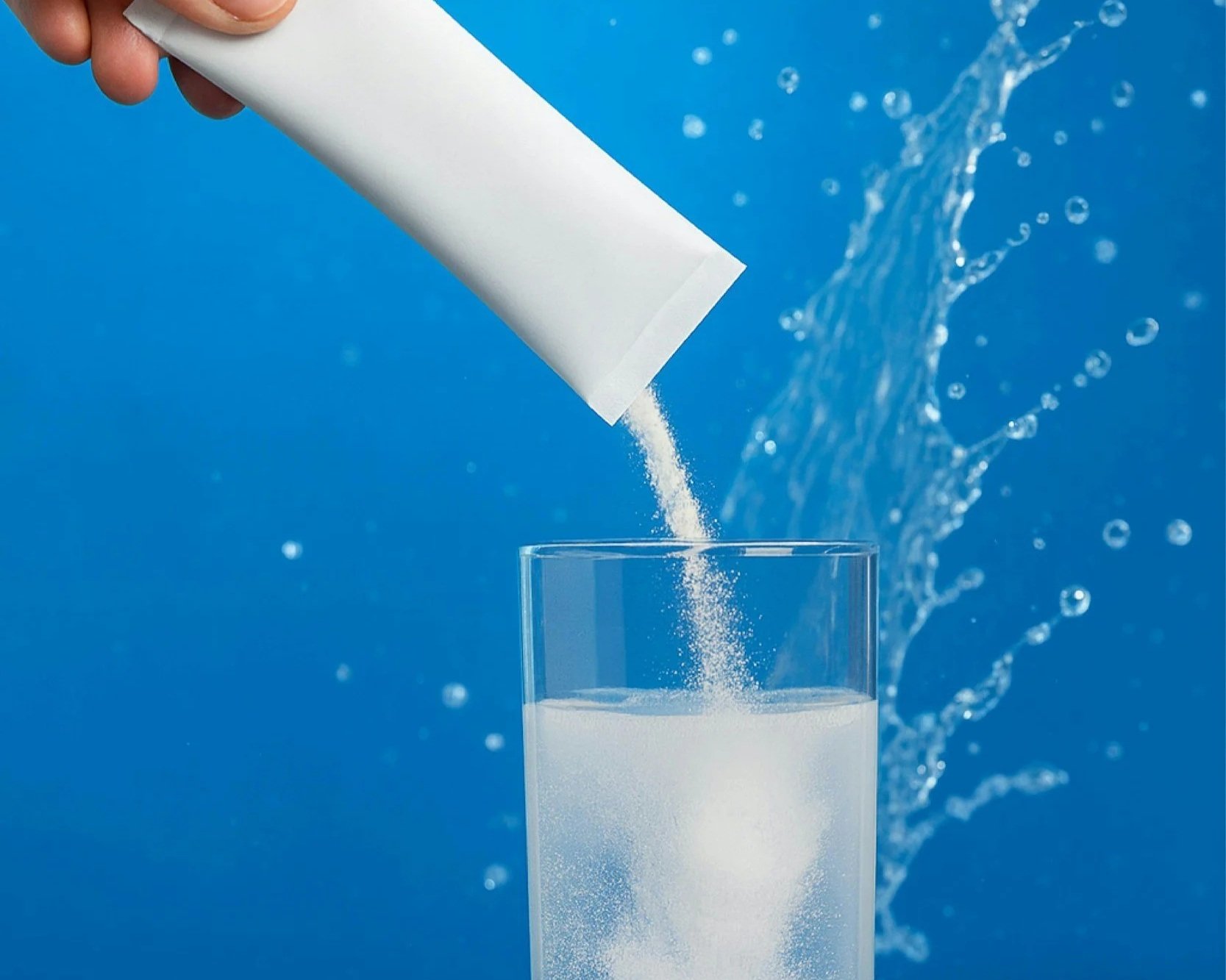
Long before electrolyte drinks came in lemon-lime sachets and appeared in every gym bag, farmers were buying mineral mixes and salt licks for cattle. Animals have always sought out salt and other minerals when they need them, sometimes licking stones, soil or whatever else seems to fit the bill. After an unusually long spell of warm weather, it is easy to see why electrolytes are having another moment, although this time the salt lick has been replaced by a brightly branded tub.
There is good reason for the interest, because electrolytes are essential to fluid balance, nerve signals, muscle contraction and heart rhythm. The confusion begins when this basic biological need becomes folded into the idea that everyone is constantly running low. Most of the time, a healthy body is quietly maintaining its electrolyte balance without requiring a tropical-flavoured intervention.
What Are Electrolytes, Really?
Salt, minerals and electrolytes are often spoken about as though they are the same thing, but there is a clear distinction: all electrolytes are minerals, but not all minerals are electrolytes. Iron, for example, helps carry oxygen in the blood, while zinc supports immunity and healing, yet neither is described as an electrolyte. Electrolytes are minerals such as sodium, potassium, chloride, calcium and magnesium which, when dissolved in body fluids, can carry electrical signals through the body. This allows them to help regulate water balance, send messages along nerves and enable muscles, including the heart, to contract.
Ordinary table salt is mainly sodium chloride, so it provides two important electrolytes, but it is not a complete mineral mixture. A pinch of pink salt in water may add sodium and chloride, but it does not automatically create a balanced rehydration drink. Himalayan and Celtic salts contain traces of other minerals, but not in amounts that make a pinch in water a complete answer to hydration.
Your Body Already Knows What It's Doing
The body usually gets its electrolytes through ordinary food and drink. Sodium and chloride come mainly from salt, while potassium is plentiful in potatoes, beans, vegetables, fruit, dairy foods and fish. Magnesium is found in nuts, seeds, wholegrains, beans and leafy greens, and calcium comes from dairy foods, fortified dairy alternatives, tofu, sardines and certain vegetables. For most people eating a varied diet, these foods comfortably replace the small amounts lost during normal daily life.
The kidneys also work continuously to keep water and minerals within a remarkably narrow range, retaining what is needed and passing on what is not. Thirst, appetite and urine output form part of this finely tuned system. Animals have their own version: grazing diets can be naturally low in sodium, which is one reason cattle, horses and other herbivores may actively seek salt. The salt lick is not a farmyard wellness trend; it is there to meet a real biological need.
When Heat Changes the Picture
This question becomes more relevant during a prolonged spell of hot weather. Heat alone does not automatically create an electrolyte deficiency, but several warm days combined with heavy sweating, poor appetite or too little fluid can begin to upset the balance. Someone working outdoors, gardening for hours, walking long distances or struggling in an overheated house may lose more fluid and salt than they realise, without doing anything resembling endurance sport. Irish bodies are well practised at coping with drizzle; sustained heat requires a little more improvisation.
Thirst, a dry mouth, darker urine and urinating less often can indicate that more fluid is needed. Headache, tiredness, weakness and dizziness may also occur, although these symptoms are less specific. Dehydration simply means that the body has lost more fluid than it has taken in. An electrolyte imbalance is different: it means that the level of one or more electrolytes has become too high or too low. The two can occur together after heavy sweating, vomiting or diarrhoea, but they are not the same.
When Extra Electrolytes Really Matter
Extra electrolytes are most useful when losses have been significant. Certain medicines can also alter balance. Some diuretics increase the loss of sodium or potassium, while other heart and blood-pressure medicines may cause potassium to rise. In these circumstances, casually adding an electrolyte drink without knowing what is high or low may not be helpful.
Older adults need particular attention during hot weather because the sensation of thirst can become less reliable with age. Health conditions and medicines can make the picture more complicated too. Wanting something salty after hours of sweating may make perfect sense, while wanting crisps at nine o’clock may simply mean that crisp cravings are real. Human instinct is not always as straightforward as a horse heading for a mineral block.
This uncertainty has created fertile ground for some very convincing advice online. One common claim is that everyone should begin the day with electrolytes because we wake up dehydrated. Most people have simply gone several hours without a drink, and water with breakfast will do the job perfectly well. Plain water does not normally “wash out” minerals, a salt craving is not a diagnosis, and every headache, cramp or foggy afternoon is not evidence of low electrolytes. The body may be asking for something, but it is not always asking for a citrus-flavoured powder.
It is also worth separating ordinary electrolyte drinks from oral rehydration solutions. Sports and wellness drinks vary considerably and may contain sodium, potassium, sugar, sweeteners, caffeine or flavourings. A proper oral rehydration solution is carefully formulated for significant losses, particularly after vomiting or diarrhoea.
The science behind it is surprisingly elegant. A small amount of glucose helps sodium to cross the wall of the intestine, and water follows with it. This is why an oral rehydration solution contains both salts and glucose in carefully judged proportions; it is not simply salty water. Old household remedies such as broth, watery salted gruel or weak sweetened drinks were reaching towards the same principle, although modern formulas are far more precise.
The Bottom Line
The useful question, then, is not whether electrolytes are good or bad, but what has actually been lost. After a normal day, water and regular meals will usually restore what the body needs. After hours of heavy sweating, illness or poor food and fluid intake, replacing both water and electrolytes may be appropriate. Persistent weakness, confusion, severe dizziness or repeated dehydration needs proper assessment rather than nutritional guesswork.
Animals seek out salt when there is a genuine need; they do not visit the mineral block because the packaging is attractive or they saw it on social moo-dia. There may be some wisdom in that. Electrolytes are essential, but the need for extra help depends on the circumstances—not on how convincingly a packet promises hydration, energy and a better start to the morning.