A Blooming Good Way to Welcome Summer
May has always belonged to flowers. This piece began as my column for West & Mid Kerry Live, but I wanted to share it here too, because edible flowers are one of the simplest ways to bring seasonality, beauty and a little delight to the table.
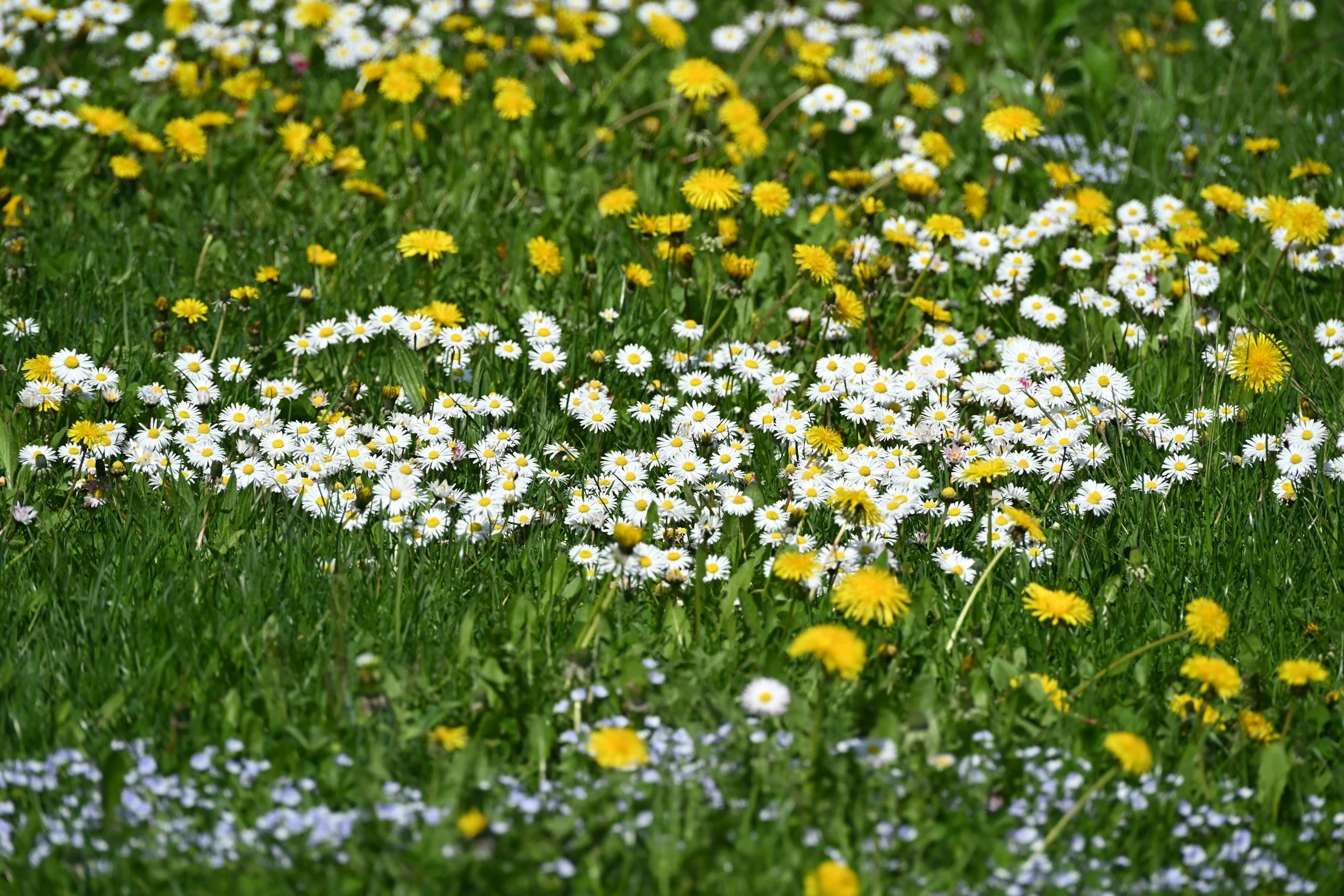
There is an old saying, “as welcome as the flowers of May,” and after months of wind, rain, and grey skies, we know exactly what that means. The sudden burst of blossom in the hedgerows feels almost medicinal. May has always belonged to flowers. In Irish tradition, Bealtaine marked the beginning of summer, when flowers were gathered for doors, windows, wells and thresholds — not simply as decoration, but as welcome, protection and a sign that the bright half of the year had arrived. Many of us also remember the May altar: jam jars of flowers, a candle, a holy picture or statue, and at least one child being told not to touch a thing. This year, May also arrived with the Flower Moon, the traditional name for the full moon of May, when blossoms are abundant across the northern hemisphere. What a beautiful way to begin the Summer season.
Edible flowers are not a new restaurant trend, though you would be forgiven for thinking they were invented by a master chef with tweezers and a serious expression. In reality and for centuries, they have been brewed, infused, sugared and scattered into food for flavour, fragrance, colour and care.
Perhaps their greatest gift is to remind us that food does not only have to fuel us. It can delight us, tempt a tired appetite and make a simple meal feel tended to. There is a reason we bring flowers to people who are unwell: they say, I am thinking of you; here is a delight to cheer you up. Edible flowers bring a little of that same care to the plate. Many also contain the kinds of plant compounds we value in herbs, fruits and vegetables — flavonoids, pigments, aromatic oils and gentle bitters. We don’t need to turn every petal into a health claim, but beauty, colour and fragrance are part of nourishment too.
So what is blooming now?
Chive flowers are one of the easiest edible flowers to use. Their purple pom-poms have a gentle onion flavour and are lovely pulled apart over salads, soups, omelettes, potato salad, soft cheese, scrambled eggs and roasted vegetables. Chives belong to the allium family, along with onions, garlic and leeks, bringing savoury depth without taking over the dish.
Wild garlic and three-cornered leek both bring that fresh spring allium flavour too — somewhere between onion, garlic and a little green roguery. Wild garlic flowers are white and starry; three-cornered leek has white bell-like flowers and can be invasive, so harvesting it is no bad thing if you identify it correctly. Scatter either over risotto, eggs, soups, fish, beans, salads or warm potatoes.
Primroses are delicate rather than strongly flavoured, but they bring old-fashioned tenderness to food. A few on a lemon cake, fruit salad, yoghurt or spring dessert can make something simple look cared for. They can also be frozen into ice cubes for a summery cocktail that makes you smile.
Hawthorn blossom is hugely connected to May. From the fairy tree, the boundary tree, the May tree, and one of the most folklore-rich plants in Ireland. Its flowers and leaves have also been traditionally associated with the heart and nervous system. In the kitchen, use the blossoms lightly and respectfully: a few in tea, cordial or infused honey. Do not strip the tree. Leave plenty for bees, berries and the wee folk (you have been warned).
Dandelion flowers are the golden rebels of the lawn. The petals can be used in fritters, vinegars, syrups, salads and teas. Dandelion has a long history in herbal traditions, especially for digestion and liver support, though the leaves and roots are more commonly used than the flowers.
Bramble flowers, gorse and daisies are quieter kitchen flowers, but all have their place. Bramble flowers are lovely in teas or as a soft garnish. Gorse brings a coconut-vanilla scent to syrups, vinegars and jellies, though picking it may involve language unsuitable for delicate ears. Daisies are mild, more charm than flavour, but they make food smile back at you.
Elderflower is just around the corner, depending on the hedgerows. Once it appears, summer has properly opened the door. Elderflower cordial, vinegar, tea, fritters, jellies and kombucha flavourings are all beautiful ways to use it. Herb flowers are useful too: thyme, rosemary, sage, mint, fennel, dill, basil and coriander flowers often carry a softer version of the parent herb and are perfect for finishing salads, soups and vegetables.
One of the easiest ways to bring May flowers to the table is a blossom butter. Stir chopped chives, chive flowers, wild garlic flowers, lemon zest, black pepper and sea salt through softened unsalted butter, adding a few primrose petals, thyme flowers or daisy petals for colour. Roll into a sausage shape, wrap in parchment paper and chill. To serve, melt over baby potatoes, asparagus, eggs, fish, roasted carrots or warm soda bread. It makes a simple meal feel quietly special and well-deserved.
For a gentle May tisane, steep a few hawthorn blossoms, bramble flowers and a sprig of mint or lemon balm in hot water for five to ten minutes, then strain and sip slowly. Or simply finish a salad, soup, omelette or potato dish with a few edible flowers — lightly, like punctuation. We are aiming for a sprinkling of May magic, not “ the florist fell into the dinner.”
Before You Eat Flowers: A Safety Note
A note of caution before we all skip romantically into the hedgerows with baskets and notions: only eat flowers you can identify with complete confidence. Avoid florist flowers, garden-centre plants, roadsides, sprayed gardens and places visited enthusiastically by dogs. Wash gently, use fresh blooms, and introduce them in small amounts, especially if you have allergies. Not every flower is edible; some are poisonous. When in doubt, admire it — don’t eat it.
May flowers are welcome because they arrive just when we need them. When we bring them to the table, even in the smallest way, we are doing more than decorating dinner. We are eating in season, paying attention and letting food become a little more nutritious, beautiful and alive. After the winter we have had, surely that is as welcome as the flowers of May.
A little job for the weekend
If this has you looking at the garden with new ideas, a lovely little job for the weekend is to sow or plant a few edible flowers for summer. Calendula, nasturtiums and borage are all easy, useful and generous once they get going.
Calendula petals bring golden colour to salads, soups, rice dishes and butters. Nasturtiums are bold and peppery, lovely in salads or with eggs and potatoes. Borage has beautiful blue star-shaped flowers with a mild cucumber note, perfect for summer drinks, salads and freezing into ice cubes.
Future you, standing in the kitchen in July with a salad that looks like it came from a fairy picnic, will be very pleased you bothered.