Horseradish: The Root with a Reputation
It is neither horse nor radish, but horseradish has carried its splendidly odd name since the sixteenth century. One story has it that the German Meerrettich, or “sea radish”, was heard as “mare radish” and somehow acquired a horse along the way. Another explanation is simpler: horse once meant large, coarse or strong, which would certainly fit. I rather like the idea that this unassuming, knobbly root has collected a few stories about itself. It collected remedies, too. Across the centuries it has been used for coughs, aches, digestion and all sorts of complaints that sent people looking to the garden before they could look to a pharmacy. It even developed a reputation as an aphrodisiac. Exactly how a root capable of bringing tears to your eyes became associated with romance is anyone’s guess, though maybe a little excitement around the dinner table was part of the appeal. Horseradish eventually made its way from the medicine cabinet to the table, where its talent for waking up a plate was easier to appreciate. There is still more to it than roast beef and oysters.
Where does the heat come from?
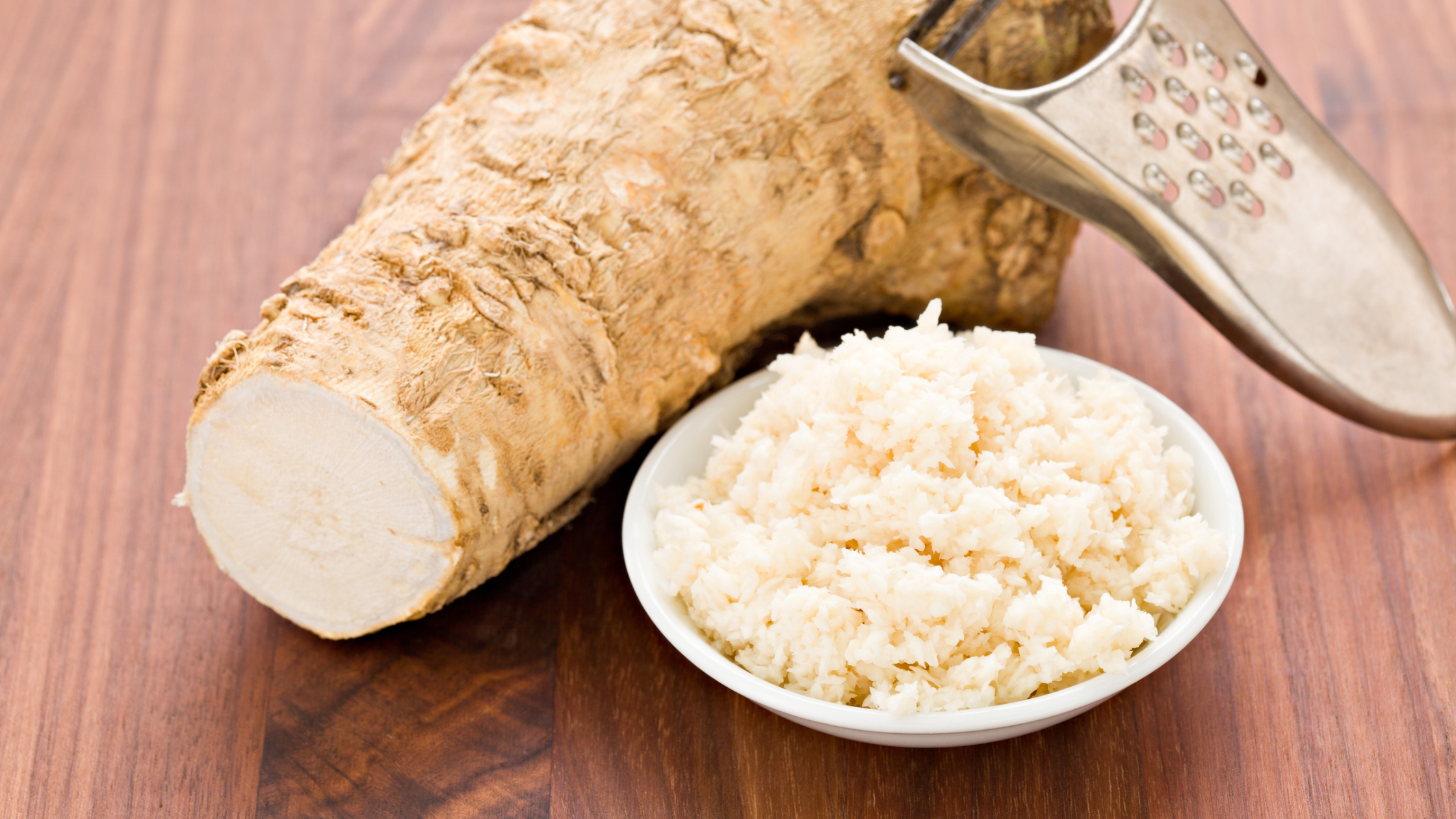
Horseradish belongs to the cruciferous family of vegetables, along with broccoli, Brussels sprouts, cabbage, mustard, cauliflower and kale. Think of mustard seeds: fairly quiet until you crush them, when their heat suddenly comes to life. Horseradish pulls off a similar trick. The intact root keeps its glucosinolates apart from an enzyme that can break them down. Grating brings the two together, producing new compounds called isothiocyanates. These are largely responsible for that unmistakable heat that travels straight up your nose and makes your eyes water. Researchers are studying how isothiocyanates behave in the body, particularly their possible effects on inflammation, bacteria and the processes involved in cancer development. Much of this work is still at the laboratory stage, but it is a fascinating example of science taking a closer look at a plant that people have valued for centuries. Meanwhile, anyone who has grated a fresh root knows that its chemistry is anything but quiet. A little horseradish goes a long way; a few gratings are enough to make their presence felt.
Its place at the table also reaches into tradition. The Passover meal includes maror, bitter herbs eaten as a reminder of the bitterness of slavery in Egypt. Horseradish is one of the foods used for maror, particularly in communities where fresh bitter greens were difficult to find. What a powerful use of flavour: the sharpness is meant to be felt, rather than subtly hidden under a sauce. It makes our little dab beside the Sunday roast seem rather timid. Horseradish was also valued as a digestive aid, and it has long had a place beside rich meats. Its sharpness cuts through the fat of roast beef, which may explain why the pairing has endured for so long. But there is no reason to leave it waiting for Sunday dinner. A little grated into mashed potato gives it a lovely lift; mixed with crème fraîche, it is excellent with smoked fish. It is especially good with beetroot, too, where the sweetness of the vegetable meets the heat of the root and the two get on together beautifully.
The old uses of horseradish went well beyond the dinner table. Fresh root was grated with honey or vinegar for coughs and congestion, prepared for bladder complaints, and made into warming poultices for aching backs and joints. Anyone who has grated it will know why it caught the attention of people troubled by a blocked nose: the heat rises from the root, the eyes begin to water, and the nose follows soon after. For troubles of the bladder, the root was bruised or sliced and steeped in wine or water; herbalists believed the resulting drink encouraged urine to flow and helped pass what they called “gravel.” Today, scientists are looking more closely at the compounds behind that pungency. Studies of horseradish extracts have found antibacterial and anti-inflammatory activity in the laboratory, offering a possible explanation for some of the uses handed down through generations. There is still much to learn about how those findings translate to people, and about the preparations and amounts involved. But the questions being asked now are remarkably close to the ones that sent people to dig up this fierce little root in the first place.
Horseradish in the kitchen
Horseradish feels particularly at home as autumn settles in and the cooking becomes slower and richer. Fresh root looks rather like a small parsnip that has had a difficult life: knobbly, brown and unlikely to catch anyone’s eye in the vegetable shop. Choose one that feels firm, with no soft patches, and keep it in the fridge until you need it. There is very little warning of what lies beneath that rough skin. Peel and grate a small piece, however, and its sharp scent rises immediately. It is best to grate only what you need, as that glorious heat begins to fade once the root is cut. Start with a little; it is always possible to add more, but much harder to persuade horseradish to leave a dish once it has made itself at home.
Time to stock up your kitchen medicine cabinet
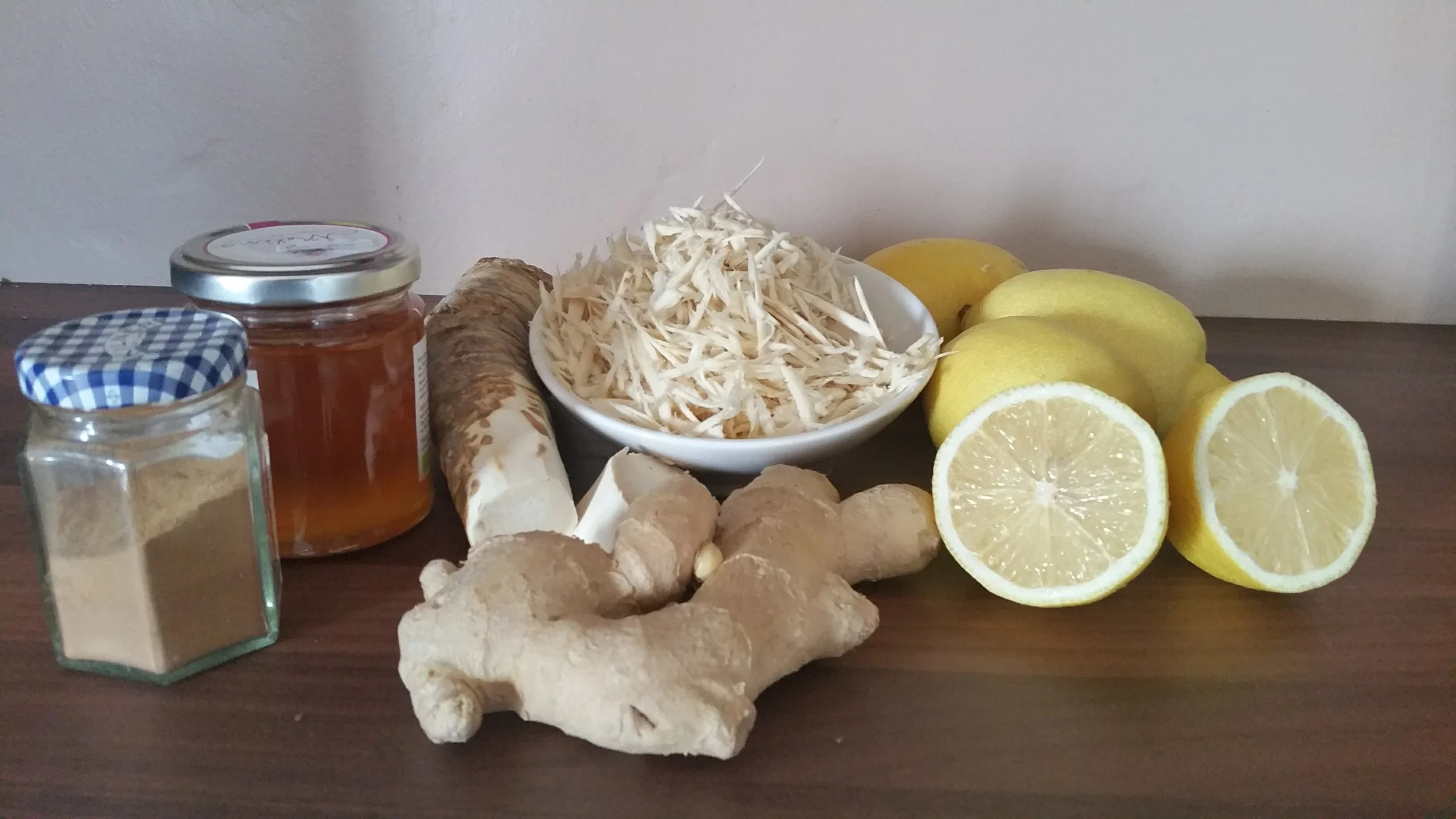
A fiery little jar: For a bracing cold-weather mixture, grate 30g fresh horseradish and blend it with the juice of one lemon, 1cm grated ginger, ½ teaspoon of cinnamon and 1 tablespoon of honey. Add a little cooled boiled water, just enough to make a loose paste, then transfer it to a clean jar. Keep it covered in the fridge and use within 2–3 days. A teaspoonful can be stirred into warm water as needed, though it is wise to taste it before being too generous with the spoon. You will get about 12-15 teaspoons out of this, depending on how juicy the lemon is and how much water you need to add to loosen the paste. Scale up or scale down according to your needs, but it is better to make a small batch often to maintain its pungency. Whether taken for warmth on a chilly day, for the first signs of stuffy nose or simply for the pleasure of making something from the root itself, horseradish may have nothing to do with a horse, but it certainly knows how to kick.