This week, the latest emergency reached the freezer aisle. Refrigeration systems in 13 SuperValu stores were affected by a cyber incident; chilled and frozen food were removed from sale as a precaution and the systems were restored. Similar incidents were reported in several European countries. The cold chain, it seems, now has a digital weak link. Some UK food businesses also reported that refrigeration units had been affected. No one has identified who was behind the wider incidents or their motive. The stores remained open and the SuperValu issue was resolved, so this is not a story about Ireland running out of dinner. It is a “chilling” reminder of how many parts of our food supply now depend on connected systems.
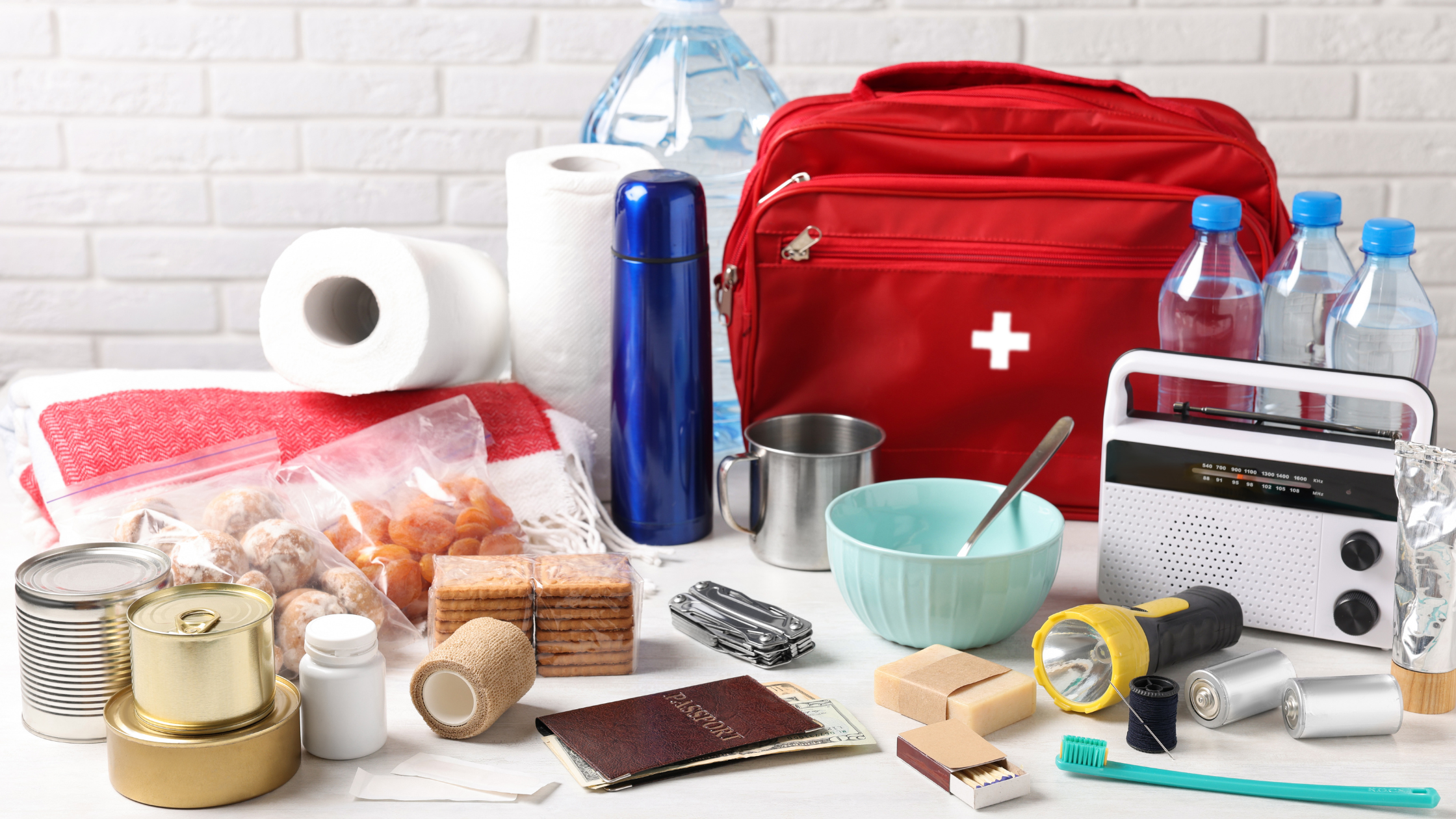
Ireland has just sent households a booklet on being prepared, while the European Commission has presented guidance to help people manage the first 72 hours of a crisis. Ireland’s booklet covers storms, flooding, power cuts, cyberattacks and supply-chain problems. It suggests keeping food, water, medicines, a radio and a torch to hand and building up supplies over time. Sensible advice — though, during a power cut, the first challenge may be finding the torch, not to mind a tin opener.
Interestingly, according to The Journal.ie the government officials writing up our emergency booklet moved away from using an explicit 72-hour message after research suggested it could alarm people. Tell us to prepare for three days and some will wonder what the Government knows that they don’t. It’s a difficult balance: give people enough information to be useful, without making every precaution sound like a trailer for the apocalypse. The booklet is about a range of possible disruptions, not a prediction that one particular emergency is on the way. Or so they say!
We have been here before
We have had our dramatic emergency provisions before. In 2002, more than two million packs of potassium iodate tablets were posted to households as part of the plan for a possible nuclear accident. They were intended to protect the thyroid from radioactive iodine, not necessarily from the consequence of nuclear war. The concern included the Calder Hall reactors at Sellafield. In 2008, when the tablets best before dates were looming the Government decided not to issue them again, saying the risk had substantially reduced and those reactors were no longer operating. It wasn’t quite a daft idea — it was a very specific measure for a particular risk. But by then we were swinging off the Celtic Tiger and sure, we were all grand again.
There was a time when an emergency meant going out to save the food itself. In 1946, after a very wet summer, the harvest was in danger when rationing was still in force and postwar food supplies were tight. Thousands of volunteers joined farmers to help save the grain. Even the Kerry–Roscommon All-Ireland final was postponed to make way for the harvest campaign. The hardship was real, but so was the response: people came together to get food in from the fields.
The risks now are different, but the question of where our food comes from has not gone away. The Climate Change Advisory Council says about 83% of the fruit and vegetables we eat are imported, while the number of commercial vegetable growers has fallen from more than 600 in the 1990s to fewer than 70 today. That doesn’t mean production has dropped in the same proportion: growing is increasingly concentrated among larger, specialist businesses rather than smaller producers giving us a variety of crops. Nor can we grow everything here. But the Council warns that crop failures or supply-chain disruption elsewhere could affect what reaches us. A freezer hack is sudden; vulnerability in the food system builds up over years.
Building resilience from the kitchen cupboards
This isn’t an argument for shutting the borders or attempting to grow oranges in Kerry. Ireland produces far more meat and dairy than we need, while importing fruit, vegetables, grains and oilseeds. Trade matters. So does asking whether we support enough of the foods that help people eat well and whether growers can make a viable living supplying the people around them. A country can export food by the billion and still have a fragile supply of some of the most basic foods we need.
A country’s food exports tell only part of the story. For most of us, resilience becomes real at a much smaller scale: what can we make for dinner if deliveries are delayed, the shops are shut or the power is out? An emergency cupboard needn’t look like a bunker. It should hold food you recognise and know how to turn into a meal. Oats, UHT milk, crackers, dried fruit, seeds, tinned beans or chickpeas, tinned fruit, tomatoes and fish can all earn their keep. So can potatoes, onions and carrots, if you have somewhere cool and dry to store them. Oats with milk, fruit and seeds make breakfast; beans or chickpeas with tinned fish and oatcakes can make a filling lunch without the cooker. If you do have fuel, add tomatoes, olive oil and herbs or spices and you have the makings of something warmer using dried pasta or rice. The point is to have a mix of foods that brings energy, protein, fibre and variety—not a cupboard full of one miraculous ingredient. And a few things you can eat without cooking are no harm when the hob is out of action.
Then there is the food already in the fridge and freezer. If the power goes, try to keep both doors shut; opening them every few minutes to inspect the situation won’t improve it. The FSAI says a full freezer will usually keep food for about two days, and a half-full one for about a day, if the door stays closed. Check the food when power returns: anything that has been above 5°C for more than two hours should be discarded.
Finally, to wrap things up before the next catastrophe - a few tins, an opener and a charged radio are all very useful. But so are local growers, food skills, reliable supply chains and neighbours who check on one another. Preparedness does not have to become a new household drama built around panic-buying—remember the Covid emergency of March 2020, when toilet rolls and white flour disappeared from the shelves. Being prepared must begin with the ordinary things that help us feed ourselves and each other when something goes wrong.
Now, where did I put my iodine tablets?