The Fifth Season: A Time to Gather
Four seasons seems like a perfectly sensible arrangement for the year. Spring brings new growth, summer the long evenings, autumn gathers everything up before winter sends us indoors again. Neat, tidy and easy enough to fit on a calendar. Vivaldi also gave us four seasons and nobody has complained much since, although some might argue he stopped composing a season or two too soon.
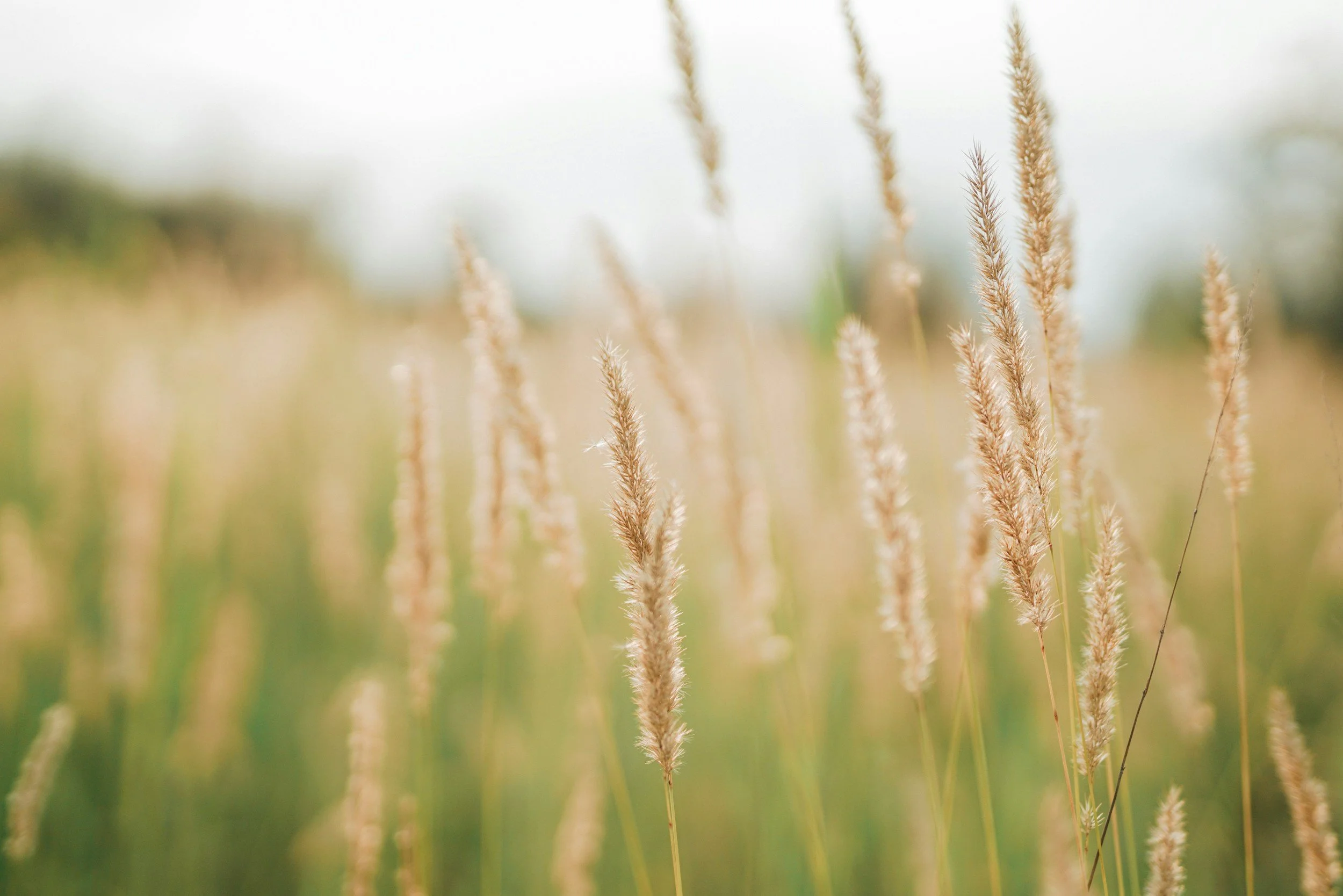
Traditional Chinese Medicine (TCM) recognises a fifth season, Late Summer, between the expansive energy of summer and the quieter, inward movement of autumn. The Nyoongar people of south-west Australia go further again, recognising six seasons according to what is happening in nature, from flowering plants and changing winds to the behaviour of birds and animals.
Late summer certainly has a character of its own. The frantic growing of spring and early summer begins to slow, seeds ripen, apples grow heavy on branches and hedgerows start earning their keep with blackberries, rosehips and elderberries. Nature has stopped showing off and is getting down to the serious business of making sure there will be another year.
In TCM, this fifth season is associated with nourishment, digestion and, interestingly, the emotion of worry. It would be a bit of a stretch to say that modern science confirms those associations, but the old observations become more interesting when we consider just how sensitive the human body is to season.
A large study published in Nature Communications in 2015 found seasonal variation in thousands of human genes, including those involved in immunity and inflammation. Light also regulates our circadian rhythm, sleep, hormones and mood. We may have electric lights, central heating and strawberries in December, but the body still seems to know roughly what time of year it is. Our ancestors certainly knew; they had little choice.
When gathering meant security
Here in Ireland, Lúnasa marked the beginning of the harvest season, when the whole family and often the wider community became involved in bringing food in. The final sheaf of corn, sometimes known as the cailleach, had its own ceremony and could be decorated and hung above the table for the harvest meal, one of many traditions marking the crucial moment when abundance had to be gathered before the weather changed. What could be eaten fresh was eaten, while the rest was dried, salted, fermented or otherwise persuaded to hang around until winter. Nobody called it seasonal wellness or posted their ferments on Instagram; squirreling away food simply meant having something to eat several months later.
There must have been enormous reassurance in seeing that work completed. A full grain store, baskets of apples, vegetables in the ground and food preserved for winter were not symbols of security, they actually were security. Perhaps that is where the old association between late summer and worry becomes interesting: when the harvest was safely gathered, had one of the season’s greatest worries also been put to rest?
More food, less connection?
Which raises an interesting question for modern life. Most of us now have access to more food than any generation before us, with supermarkets offering everything from Peruvian grapes to Moroccan blueberries in the middle of February. Yet access to food is not necessarily the same thing as having a relationship with food, and that distinction may matter more to our health and wellbeing than we realise. Growing, preparing and sharing food gives us movement, connection, practical skills, sensory pleasure and a sense of agency around one of our most basic needs; simply having food within reach does not necessarily provide any of those things.
For almost all of human history, eating involved considerably more participation than opening a packet. Food was grown, gathered, caught, cooked, preserved and shared, and the success or failure of those activities had a direct bearing on survival. Nobody is suggesting a return to food scarcity or spending August tied to a threshing machine, but maybe something less obvious disappeared when we outsourced feeding ourselves.
There may be no study showing that making a pot of blackberry jam sends an ancient message to the brain saying, “Relax, winter is sorted,” but the idea may not be as far-fetched as it sounds. A sense of control, preparedness and the ability to care for ourselves are all associated with better responses to stress, while cooking and other hands-on food activities can build confidence and wellbeing. Perhaps feeding ourselves, quite literally, is one of the ways we remind the body that we are cared for and that, for now at least, there is enough.
Gardening may offer one clue as to why. An umbrella review published in 2024 looked at 40 studies and found an overall positive effect of gardening on wellbeing, mental health and quality of life, likely through a combination of physical activity, contact with nature, a sense of purpose and achievement and, presumably, the considerable satisfaction of finally eating something before the slugs do.
The old practice of fermentation has acquired some modern scientific backing too. In a Stanford study published in Cell in 2021, people eating a diet rich in fermented foods for ten weeks increased the diversity of their gut microbiome and showed reductions in several markers of inflammation. Sauerkraut makers throughout history can consider themselves retrospectively vindicated.
This is a useful reminder that food has always been more than protein, carbohydrate, fat, vitamins and minerals. Its structure, fibre, microbes, preparation and degree of processing influence how we digest and respond to it. The act of sourcing, preparing and eating food also connects us to place, people and season in ways that are much harder to measure.
Gathering ourselves in
Preparing for winter does not require a pantry lined with preserving jars or an emergency crop of turnips. It might mean getting outside while the light is still generous, picking blackberries, freezing herbs, stewing apples, cooking more often or making something now that will be welcome on a dark evening later.
Our ancestors did these things because survival depended upon them; thankfully ours usually does not. Yet after hundreds of thousands of years in which food, light, weather and season shaped almost every aspect of human life, it might be premature to assume that a few decades of supermarkets, central heating and next-day delivery have made us entirely independent of those rhythms. The principle of preparing for the darker months still makes sense, whether that means putting food by or, in a more modern way, making sure vitamin D is on the radar now, and supplementing appropriately before winter has a chance to run levels too low.
The fifth season may not officially exist on our calendars, but really, that hardly matters. Nature seems to recognise the turning point perfectly well and, every August, quietly begins gathering itself in.
Maybe we should take the hint.